You’re reading a message, and at the end you see “PS.” You pause. Is it important? Is it random? Did you miss something?
This small two-letter term confuses a lot of people, especially in texts, emails, and social media.
That’s why so many people search for “PS meaning in text”—because it shows up everywhere, but not everyone understands how it’s used today.
In 2026, texting has evolved. People mix old writing styles with modern slang, and “PS” is a perfect example of that. It’s short, easy, and adds extra meaning without writing a full sentence.
In this guide, you’ll learn exactly what “PS” means, how people use it in real conversations, and how to reply without feeling awkward.
By the end, you’ll never be confused by it again.
What Does “PS Meaning in Text” Mean in Text?
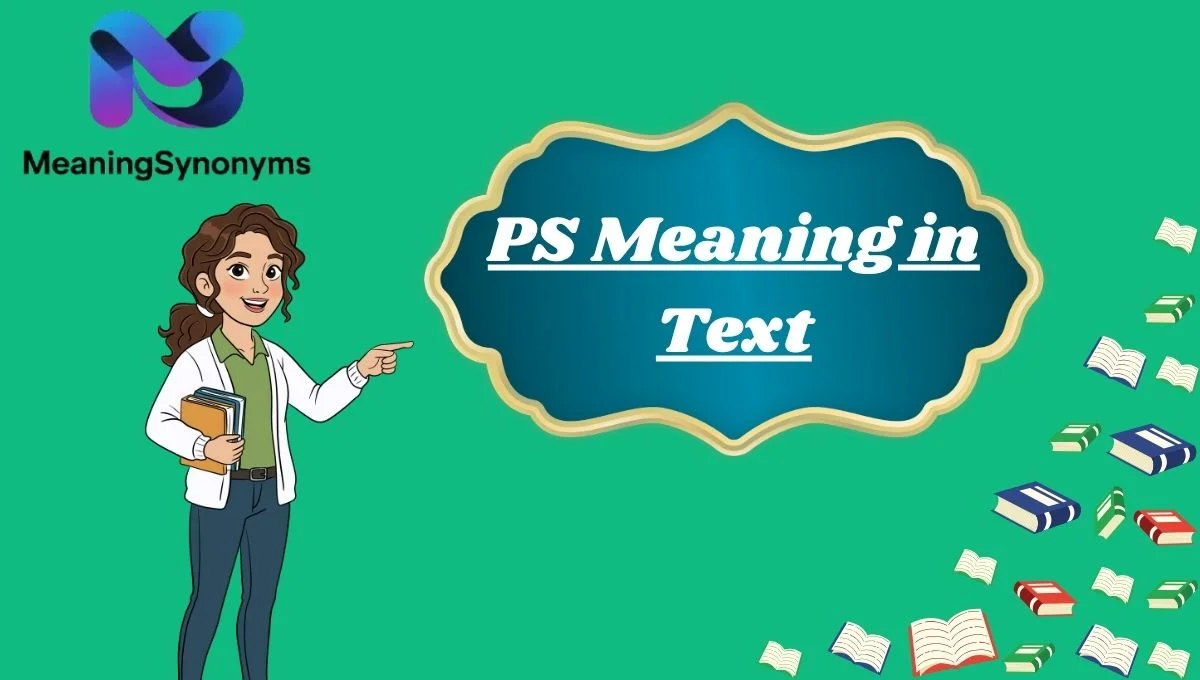
PS means “Postscript,” which is an extra message added after the main text.
It’s used when someone wants to include an additional thought, reminder, or detail they forgot earlier. In texting, it can also add emotion, humor, or emphasis.
Other meanings may include:
- A quick afterthought
- A hidden or extra note
- A playful or teasing addition
The Most Common Meanings of “PS Meaning in Text”
1. Extra Information
This is the most common use. Someone adds more detail after finishing their message.
Example:
“I’ll call you later. PS: Don’t forget to send the file.”
2. Afterthought
Sometimes people remember something after they’ve already typed the message.
Example:
“Meeting is at 3 PM. PS: Bring your notes too.”
3. Emotional Add-On
It can add a feeling like love, care, or excitement.
Example:
“Good night. PS: I miss you.”
4. Funny or Sarcastic Note
People use PS to add humor or a playful twist.
Example:
“Nice try. PS: I saw what you did there.”
How “PS Meaning in Text” Is Used in Real Conversations
Friends & Casual Texting
Among friends, PS is relaxed and fun. It’s often used to add jokes or random thoughts.
Example:
“Let’s hang out tomorrow. PS: I’m craving pizza.”
Instagram & Snapchat
On social media, PS is used in captions or stories to highlight something extra.
Example:
“Best day ever. PS: That sunset was unreal.”
Dating Apps
In dating, PS can make messages more personal or flirty.
Example:
“Had fun talking to you. PS: Your smile is cute.”
Gaming & Online Communities
Gamers use PS to add quick reminders or comments.
Example:
“Join the match at 8. PS: Bring your best setup.”
Work or Professional Chat
In work messages, PS is less common but still used for small reminders.
Example:
“Report is ready. PS: Please review page 3.”
Is “PS Meaning in Text” Rude, Flirty, or Offensive?
“PS” itself is not rude or offensive. It’s neutral. But the tone depends on what comes after it.
Positive Use
- Adds warmth or care
- Makes messages feel more personal
Example:
“Take care. PS: You did great today.”
Flirty Use
- Adds charm or attraction
- Often used in dating
Example:
“Good night. PS: I like talking to you.”
Negative Use
- Can feel sarcastic or passive-aggressive
Example:
“Do your job. PS: It’s not that hard.”
Key Insight
The meaning of PS is not in the word—it’s in the message that follows it.
How to Respond When Someone Says “PS Meaning in Text”
Casual Replies
- “Haha noted!”
- “Got it!”
- “Thanks for the reminder!”
Funny Replies
- “PS accepted.”
- “That PS was unnecessary but funny.”
- “You always add a PS!”
Neutral Replies
- “Okay, I understand.”
- “Thanks for letting me know.”
Professional Replies
- “Noted, thank you.”
- “I’ll take care of that.”
- “Appreciate the update.”
Common Misunderstandings About “PS Meaning in Text”
Thinking It’s a New Slang
Some people think PS is modern slang, but it’s actually from traditional letter writing.
Confusing It With Abbreviations
PS is not like LOL or BRB. It doesn’t replace a sentence—it adds to one.
Misreading the Tone
A simple PS can sound friendly or rude depending on wording. Always read the full message.
Assuming It’s Important
Not every PS is serious. Sometimes it’s just random or playful.
Similar Slang Terms You Should Know
- BTW – By the way (adds extra info)
- FYI – For your information (formal extra detail)
- IMO – In my opinion
- TBH – To be honest
- IDK – I don’t know
- BRB – Be right back
- LOL – Laughing out loud
- SMH – Shaking my head
- TMI – Too much information
- NGL – Not gonna lie
These terms, like PS, help people add meaning quickly in texts.
When You Should Avoid Using “PS Meaning in Text”
Professional Settings
In formal emails or business messages, PS can feel too casual. Use it carefully.
Cross-Cultural Chats
Not everyone understands PS. It may confuse non-native English speakers.
Sensitive Situations
Avoid using PS when discussing serious topics. It can seem careless.
Important Messages
If something is important, don’t hide it in a PS. Say it clearly in the main message.
Final Thoughts.
“PS” is simple but powerful. It helps you add extra thoughts without rewriting your message. In texting, it makes conversations feel natural, relaxed, and sometimes even more personal.
The key is understanding context. The same “PS” can feel friendly, funny, or even rude depending on how it’s used.
Once you understand this, you’ll not only read messages better—you’ll also write smarter texts that sound clear and natural.
FAQs
What does PS stand for in text?
PS stands for “Postscript,” meaning an extra note added after the main message.
Is PS still used in modern texting?
Yes, it’s still common in texts, emails, and social media.
Can PS be used in emails?
Yes, especially for reminders or extra details at the end.
Is PS formal or informal?
It can be both, but it’s more common in casual communication.
Can PS be used for flirting?
Yes, people often use it to add a sweet or personal touch.
Why do people use PS instead of writing a new message?
It saves time and adds information without repeating everything.
Is PS important in a message?
Sometimes, but often it’s just an extra thought or reminder.
At the provide me Conclusion paragraph.
“PS” may look small, but it plays a big role in how people communicate today.
It lets you add extra meaning, emotion, or reminders without making your message longer or complicated.
Whether you’re chatting with friends, texting someone you like, or sending a quick note, understanding PS helps you read between the lines and respond better.
Use it wisely, and your messages will feel more natural and clear.

Emily Carter is a passionate writer dedicated to simplifying word meanings and helping readers improve their English vocabulary.